
“Tailbone” pain when sitting ? Causes, symptoms, and relief you need to know
Struggling with tailbone pain when sitting or standing up? You may be dealing with coccydynia, a condition that affects the coccyx (tailbone) and can significantly impact daily life. This comprehensive guide explains everything you need to know—from causes and symptoms to the most effective treatments for long-term relief.

What Is Tailbone Pain (Coccydynia)?
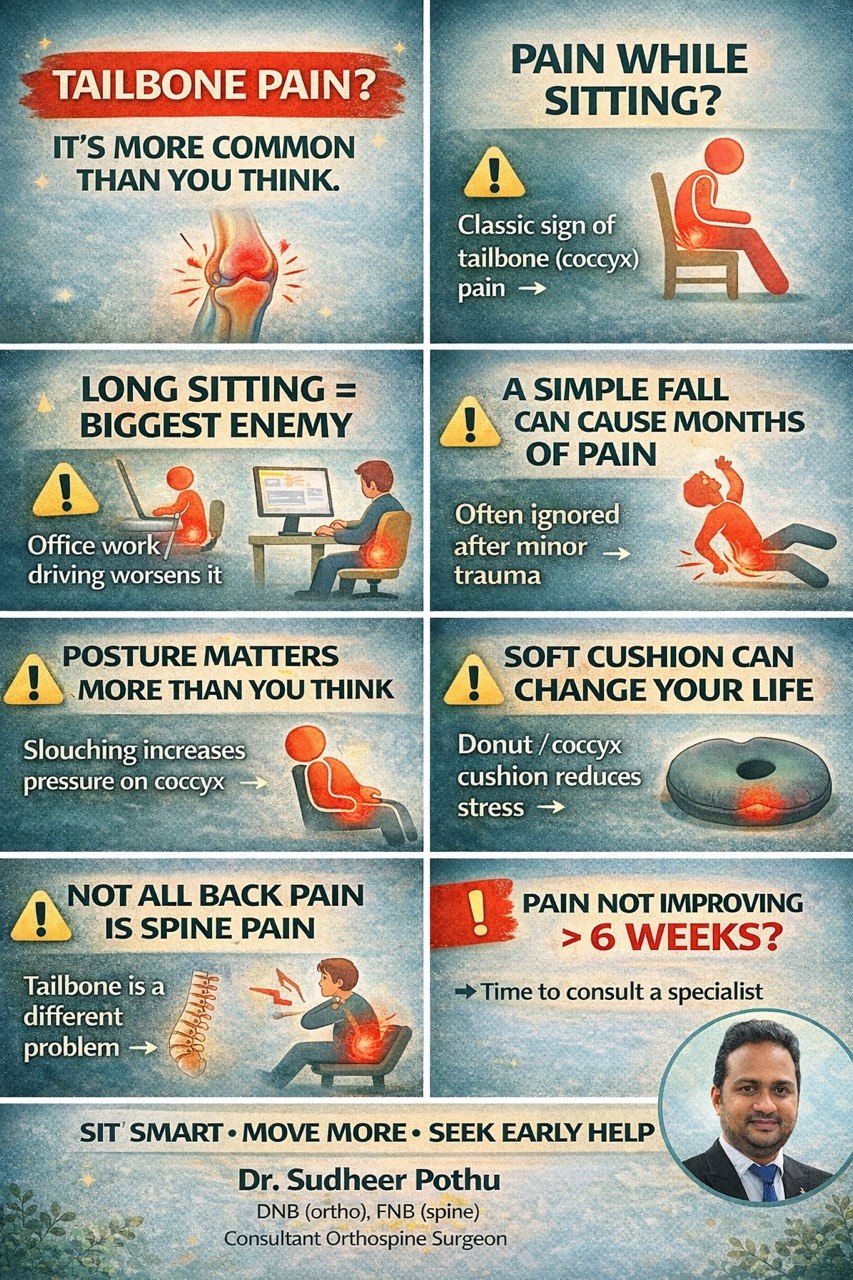
Coccydynia refers to pain in the coccyx, the small triangular bone at the bottom of the spine. This discomfort is usually felt while sitting, especially when leaning backward, or when transitioning from sitting to standing.
Common Causes of Tailbone Pain 
Tailbone pain can arise from several factors, including:
- Direct trauma (e.g., falling on the buttocks)
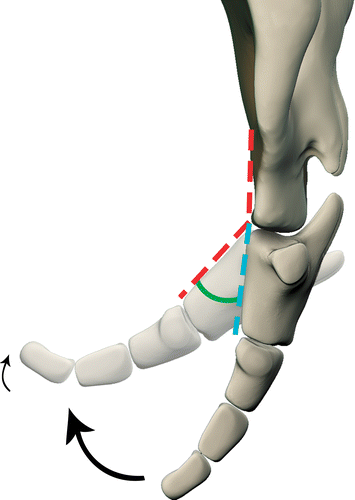
- Joint instability (abnormal movement at the sacrococcygeal joint)
- Abnormal coccyx shape or bone spurs
- Childbirth-related injury
- Infections such as pilonidal sinus
- Tumors (rare cases like chordoma)
- Urogenital conditions or piles
-
Different types of coccyx bone shapes Different types of coccyx bone shapes Idiopathic causes (unknown origin)

Risk Factors for Coccydynia
Certain individuals are more prone to developing tailbone pain:
- Women
- People with obesity or rapid weight loss
- Athletes involved in contact sports
- Individuals with prolonged sitting habits
Symptoms of Tailbone Pain 
You may have coccydynia if you experience:
- Localized pain at the tailbone
- Increased pain when sitting, especially leaning backward
- Pain when standing up from a seated position
- Relief when leaning forward or sideways
- Pain during bowel movements, intercourse, or menstruation


How Is Tailbone Pain Diagnosed?
Diagnosis typically involves:
- Physical examination by a spine specialist
- X-rays (sitting and standing views) to assess movement
- CT scans or MRI scans to identify fractures, infections, or tumors
A personalized evaluation is important for accurate diagnosis and treatment planning.


Effective Treatment Options for Tailbone Pain
1. Conservative (Non-Surgical) Treatment
Most cases improve with simple, non-invasive measures:
- Pain relief medications (NSAIDs) to reduce inflammation
- Donut-shaped cushion to relieve pressure while sitting
- Posture correction (lean forward instead of backward)
- Sitz baths (hot and cold therapy)
- Pelvic floor exercises
- Yoga poses like:
- Bridge Pose (Setu Bandhasana)
- Cobra Pose (Bhujangasana)
- Wind-Relieving Pose (Pavanamuktasana)
- Weight management
- Avoid prolonged sitting (take breaks every 30 minutes)
- Wear loose-fitting clothing
- Limit activities like cycling or long driving sessions

2. Advanced Non-Surgical Treatments
If conservative care fails:
- Corticosteroid injections into the coccyx joint
- Ganglion impar block (targets pain nerves)

These procedures reduce inflammation and help break the pain cycle. They are typically done as day-care procedures under imaging guidance.
3. Surgical Treatment (Last Resort)
If pain is severe and persistent:
- Coccygectomy (removal of part or all of the tailbone)
Surgery is considered only when all other treatments fail, due to risks like infection or nerve damage. A spine specialist will carefully evaluate whether this is appropriate.
When Should You See a Doctor?
Seek medical advice if:
- Pain persists for weeks despite home care
- Pain interferes with daily activities
- You experience severe or worsening symptoms
Early diagnosis can prevent chronic complications.
Key Takeaways
- Tailbone pain (coccydynia) is common but treatable
- Most cases improve with simple lifestyle changes and therapies
- Advanced treatments and surgery are available for persistent pain
- Consulting a spine specialist ensures accurate diagnosis and effective care
Final Thoughts
Tailbone pain can be frustrating, but with the right approach, lasting relief is achievable. If your symptoms persist, don’t ignore them—timely medical care can make a significant difference in recovery and quality of life.
