
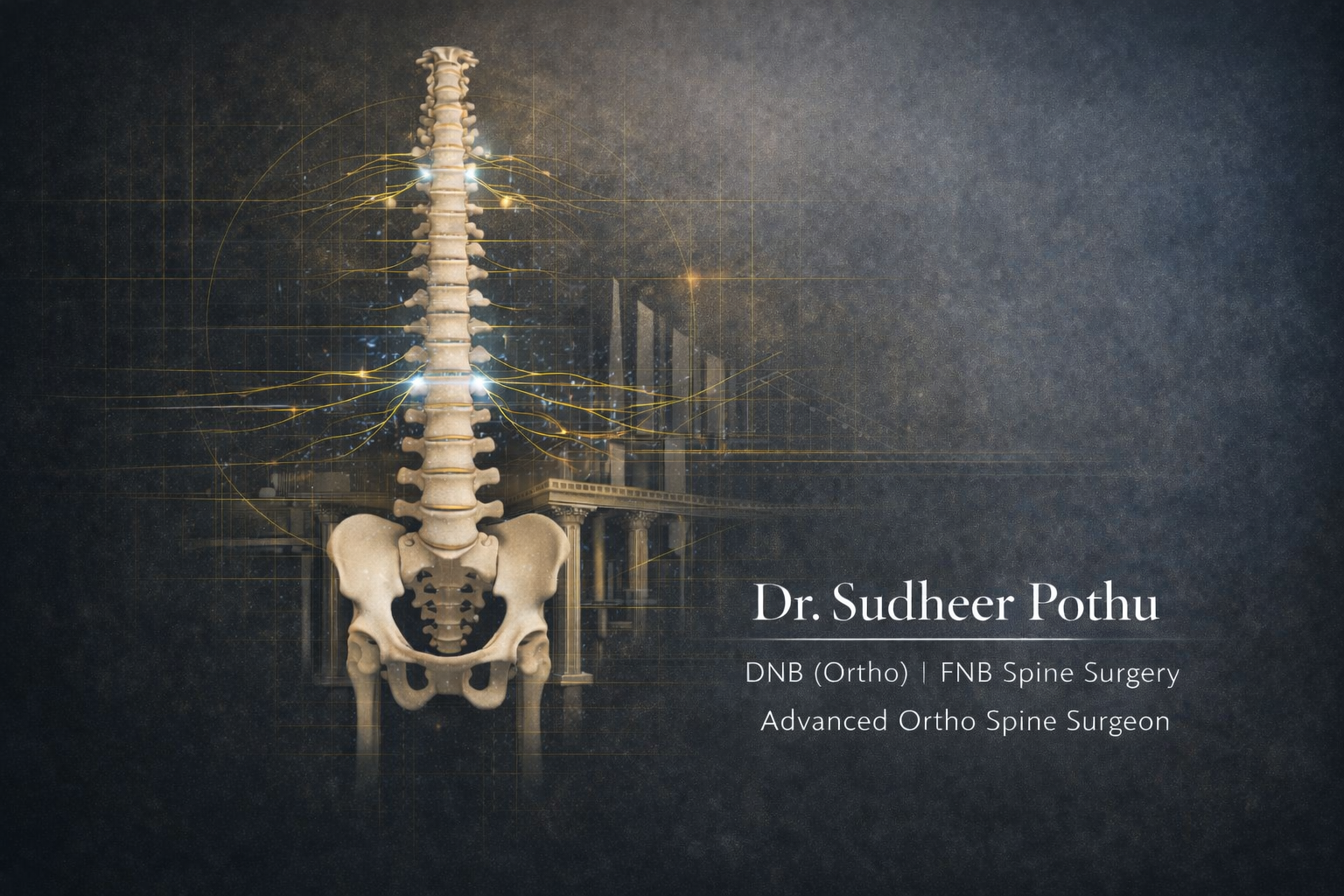
R U suffering from Lumbar Disc Prolapse / Sciatica !! Read to know More
What is Sciatica ?
“Sciatica” refers to pain that radiates along the path of the “sciatic nerve” pathway. Pain originates from the lower back and travels down the leg.

It occurs when the nerve is compressed or irritated due to a variety of reasons, including a herniated disk, spinal stenosis, degenerative disc disease, or a bone spur on the spine.

The most common cause is a Lumbar Disc Prolapse. Lets Know about it!
What is Lumbar Disc Prolapse ?
A lumbar disc prolapse is a medical condition in which the soft gel-like center of a spinal disc ruptures through a weakened area in the outer ring of the disc. It is also called by different names likes disc Herniation or slipped disc.
https://youtu.be/dSC_oD1tgGo?si=wPFbahP0iDnDwtNu
How Common is this Lumbar Disc Prolapse ?
The prevalence of lumbar disc prolapse, in the general population is estimated to be around 1-3%.
Luckily, up-to 90% of patients achieve pain relief with Non-Operative treatments alone.
Occasionally, Surgery may be necessary in 10% of patients.
Why do Disc Comes Out of its Normal Position?
The exact cause of lumbar disc prolapse is not always clear, but it is thought to be the result of a combination of factors that can lead to weakening of the outer ring of the spinal disc.

Some common causes and risk factors of lumbar disc prolapse include:
Age: As we age, the spinal discs naturally lose some of their water content and elasticity, making them more prone to rupturing or herniating.
Genetics: Some people may be predisposed to disc problems due to genetic factors, such as a family history of herniated discs.
Repetitive motion and heavy lifting: Jobs or hobbies that involve repetitive motion or heavy lifting can put significant strain on the spine and increase the risk of disc herniation.
Poor posture: Sitting or standing with poor posture can place extra pressure on the spine and contribute to the development of a herniated disc.
Prolonged Sitting Job
Obesity: Being overweight or obese can put extra pressure on the spine and increase the risk of disc herniation.
Trauma: A sudden injury or trauma, such as a fall or car accident, can cause a disc herniation.
Smoking: Studies have shown that smoking can increase the risk of disc herniation, possibly due to its negative effect on the blood supply to the spinal discs.

It’s important to note that not everyone with these risk factors will develop a lumbar disc prolapse, and some people without any risk factors may still experience one
What Are the SYMPTOMS of a Lumbar Disc Prolapse ?

The symptoms can vary depending on the severity and location of the disc herniation. Some common symptoms include:
Low back pain: Pain may be localized to the lower back or may radiate down to the buttocks, thighs, or legs.
Sciatica: Pain that radiates down the back of the leg, often described as a sharp, shooting pain.

Numbness or tingling: Patients may experience numbness, tingling, or a “pins and needles” sensation in the affected leg or foot.
Weakness: In more severe cases, patients may experience weakness or difficulty moving the affected leg or foot.
Loss of bladder or bowel control: This is a rare but serious symptom that may indicate a more severe spinal compression and requires immediate Surgery(Cauda Equina Syndrome).
Change of Posture to one side ( LISTING)

Reduced range of spinal motion: Patients may have difficulty moving their lower back or may experience pain with bending forward, coughing, or sneezing.
Sensory changes: The healthcare provider may test the patient’s ability to feel light touch, pinprick, or temperature changes in the affected leg or foot.
The symptoms of lumbar disc prolapse can vary widely between individuals, and not all patients will experience all of these symptoms.
What investigations are needed to confirm disc prolapse?

X-rays: X-rays show the alignment of the vertebrae in the spine and any degenerative changes in the spine including reduced disc height.
Magnetic Resonance Imaging (MRI): This is the most commonly used imaging test to diagnose lumbar disc prolapse. MRI can show the location, size, and severity of compression.
Computed Tomography (CT) scan: CT scans can show the detailed bony changes in the spine including calcification(hardening) of prolapsed Disc
Electromyography (EMG) and Nerve Conduction Studies: These tests can help to diagnose nerve damage or dysfunction caused by a herniated disc or other condition.
How do you manage Lumbar Disc Prolapse ?
The treatment for lumbar disc prolapse may include conservative measures such as pain medications, physical therapy, and activity modification. In some cases, epidural steroid injections or surgery may be necessary to alleviate symptoms and prevent complications. Here is a treatment algorithm published in Scientific literature!

What are the Non-Surgical treatment options for disc prolapse?
Goal: Reducing pain and inflammation, improving mobility and function, and preventing further damage to the affected area.
Some common conservative management strategies for lumbar disc prolapse include:
Rest: Rest is often recommended in the early stages of lumbar disc prolapse to allow the body time to heal. However, it’s important to avoid prolonged bed rest, as this can weaken the muscles and cause further problems.
Pain relief: Pain relief medications such as NSAIDs, muscle relaxants, and opioids may be prescribed to reduce pain and inflammation.
Hot or cold therapy: Hot or cold therapy can help reduce pain and inflammation. A heating pad or ice pack can be applied to the affected area for 10-15 minutes at a time.
Physical therapy: Physical therapy can help improve mobility, strength, and flexibility. A physical therapist can design a customized exercise program to address the patient’s specific needs and goals.
Lifestyle modifications: Lifestyle modifications such as weight management, smoking cessation, and regular exercise can help reduce the risk of further injury and improve overall health.
Elaborate on Epidural Steroid Injection ?
Epidural steroid injections (ESIs) are a type of non-surgical treatment for lumbar disc prolapse that involves the injection of a corticosteroid medication into the epidural space surrounding the spinal nerves.
There are several types of ESIs, including interlaminar, transforaminal, and caudal injections.

Purpose: Patients should understand the purpose of the ESI, which is to reduce inflammation and provide pain relief in the affected area of the spine.
It’s important to discuss the benefits of epidural steroid injections with a healthcare provider to determine if this treatment option is appropriate for an individual with lumbar disc prolapse.
When is Surgery Advised for Disc Prolapse ?

Surgery for lumbar disc prolapse may be recommended in certain situations where Non-Surgical treatments have failed to provide adequate relief or if there are signs of nerve damage or loss of function.
Indications for surgery in lumbar disc prolapse include:
Severe or persistent pain: If the patient is experiencing severe or persistent pain that is affecting their daily life and is not responsive to conservative treatment, surgery may be recommended.
Nerve compression: If the disc prolapse is compressing a nerve root or the spinal cord, causing symptoms such as weakness, numbness, or tingling, surgery may be necessary to relieve the pressure and prevent permanent nerve damage.
Loss of function: If the patient has lost function in their legs, such as difficulty walking or standing, surgery may be necessary to prevent further deterioration.
Bowel or bladder dysfunction/Cauda Equina Syndrome: If the patient is experiencing loss of bowel or bladder control, surgery may be necessary to prevent further damage to the nerves controlling these functions.
Recurrent disc herniation: If the patient has had a previous disc herniation and experiences a recurrent herniation that causes significant pain or nerve compression, surgery may be necessary.
