
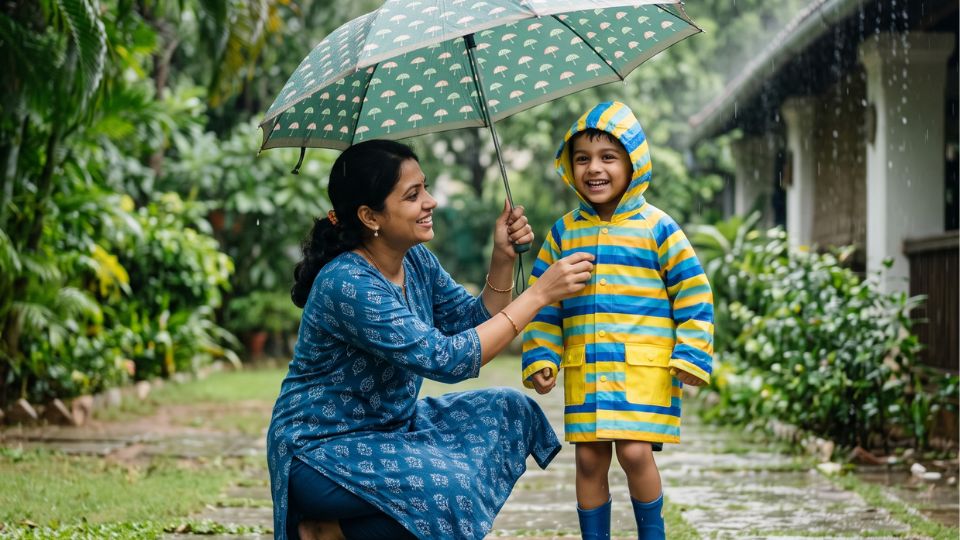
Keeping Your Child Safe, Healthy, and Happy This Rainy Season
The arrival of the rainy season brings a welcome relief from the summer heat, paper boats, and muddy puddle jumping. But as parents, we also know that with the rain comes a noticeable spike in seasonal illnesses.
Children’s immune systems are still developing, making them particularly vulnerable to the viral, bacterial, and vector-borne infections that thrive in damp, humid weather. Staying ahead of monsoon health challenges doesn’t mean keeping your children locked indoors all season—it simply requires the right preventive strategy.
Here is what every parent needs to know about navigating monsoon health risks, recognizing early symptoms, and protecting their family.
1. Common Monsoon Health Risks in Children
Understanding what causes seasonal illnesses helps in taking targeted preventive steps. Monsoon health issues generally fall into three main categories:
A. Vector-Borne Diseases (Mosquitoes)
Standing rainwater creates ideal breeding grounds for mosquitoes.
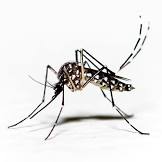
- Dengue & Chikungunya: Transmitted by Aedes mosquitoes, which bite primarily during the day.
- Malaria: Caused by the Anopheles mosquito, active mostly during dusk and night.
- Key Symptoms: High fever, severe body aches, joint pain, rash, persistent fatigue, and vomiting.
B. Waterborne & Foodborne Infections
Contaminated groundwater and humid conditions accelerate food spoilage and bacterial growth.
- Typhoid & Gastroenteritis: Spread through contaminated water or unhygienic food.
- Hepatitis A: A viral infection affecting liver function via contaminated food/water.
- Key Symptoms: Stomach cramps, loose stools, nausea, fever, vomiting, and loss of appetite.
C. Air-Borne & Viral Infections
Fluctuations in temperature and high indoor humidity promote airborne viruses and fungal spores.
- Common Cold, Flu & RSV: Viral infections causing congestion and fever.
- Fungal Skin Infections & Eye Flu (Conjunctivitis): Direct contact with damp clothing, puddles, or dirty water.
- Key Symptoms: Runny nose, persistent cough, red/itchy eyes, skin rashes, and sore throat.
2. Quick Action Checklist for Monsoon Illnesses
Use this breakdown to identify symptoms early and respond effectively:
| Category | Typical Conditions | Warning Signs to Watch For | Immediate Parent Action |
| Vector-Borne | Dengue, Malaria, Chikungunya | High fever, pain behind eyes, severe body ache, rash | Administer fluids, monitor temperature, seek medical evaluation for CBC tests |
| Waterborne | Typhoid, Gastroenteritis, Cholera | Persistent vomiting, severe diarrhea, stomach pain, lethargy | Start Oral Rehydration Solution (ORS), offer boiled water, consult a doctor immediately |
| Respiratory | Seasonal Flu, Cold, Bronchitis | Wheezing, rapid breathing, high fever over 3 days | Use saline nasal drops, steam inhalation, keep warm |
| Dermatological | Ringworm, Athlete’s foot, Heat rash | Red itching patches, peeling skin between toes | Keep skin dry, change wet clothes instantly, use antifungal powder as advised |
3. Essential Prevention Guidelines for Parents
Hygiene First
- Boil drinking water: Always provide filtered, boiled water. Avoid tap water or ice from unverified sources when outside.
- Enforce handwashing: Ensure kids wash their hands with soap for at least 20 seconds before eating and after returning from outdoors.
- Keep nails short: Dirt and micro-organisms get trapped under long fingernails, transferring directly to food.
Mosquito Control
- Dress defensively: Cover arms and legs with lightweight, full-sleeved cotton clothing.
- Use child-safe repellents: Apply DEET-free or natural repellents (containing citronella or eucalyptus oil) approved for young skin.
- Eliminate stagnant water: Frequently check plant pots, coolers, bucket trays, and open bins around your home for standing water.
- Install mosquito nets: Use mesh screens on windows and doors.
Dietary Care
- Avoid street food and raw salads: Steer clear of unwashed raw foods or pre-cut fruits sold outdoors.
- Serve warm, freshly prepared meals: Warm meals are easier to digest and minimize bacterial contamination.
- Prioritize immunity-boosting nutrients: Incorporate citrus fruits (Vitamin C), turmeric, ginger, warm soups, and yoghurt into daily meals.
Clothing & Environment
- Dry clothes thoroughly: Damp clothing encourages fungal infections on sensitive skin. Ensure clothes are completely dry before wear.
- Sanitize footwear: Ensure shoes are thoroughly dried if caught in the rain. Disinfect rain boots regularly.
4. When to Consult a Pediatrician
While standard colds and mild viral fevers often resolve with home care and rest, certain “red flag” symptoms require immediate medical care:
- Fever exceeding 102°F (38.9°C) or lasting longer than 48 to 72 hours
- Signs of severe dehydration (no tears when crying, dry mouth, no wet diapers for 6+ hours)
- Extreme lethargy, drowsiness, or unresponsiveness
- Difficulty breathing, rapid breathing, or chest retractions
- Persistent vomiting preventing fluid intake
- Unexpected skin rashes, unusual bruising, or petechiae (tiny red spots under the skin)
Partnering for Your Child’s Health
Navigating seasonal health challenges is easier when you have clear advice and guidance. Preventive health check-ups, timely vaccinations (such as the annual flu shot and Typhoid vaccine), and early diagnosis can keep your child safe throughout the monsoon season.
Have questions about seasonal vaccinations or managing persistent symptoms? Contact our practice today to schedule a consultation and keep your family protected.
