
Summer Care for Children in India: What we Pediatricians Guide for Parents
Hydration, Heat Safety, Common Summer Illnesses & Parent Tips
Introduction
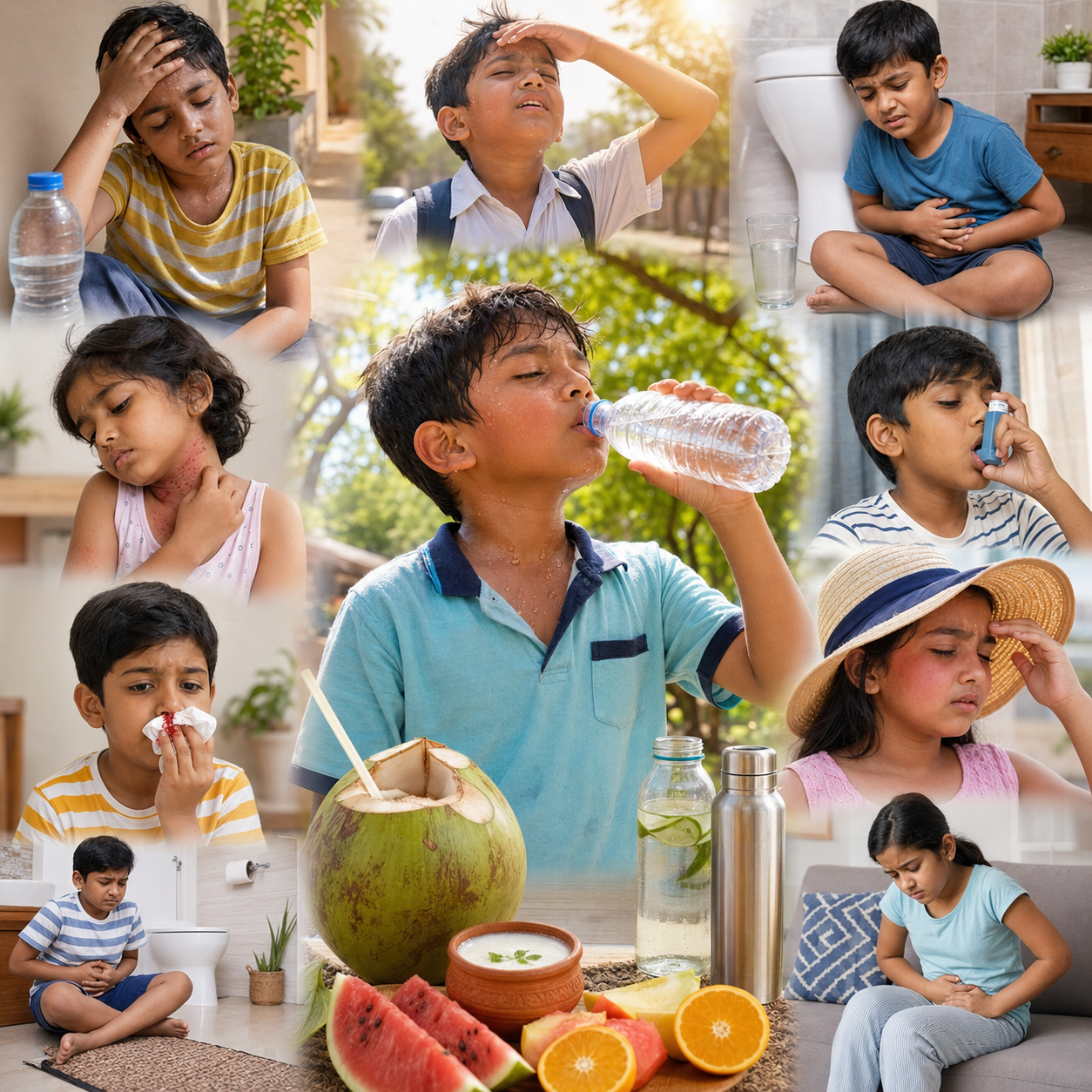
Indian summers can be enjoyable for children because of holidays, mangoes, travel, swimming, and more playtime. But as a pediatrician, I also see a clear rise in dehydration, loose motions, heat exhaustion, skin rashes, nosebleeds, asthma flare-ups, urinary infections, and food-related stomach infections during summer.
Children are more vulnerable to heat than adults because they may not recognize thirst early, they depend on adults for fluids and shade, and they can get overheated quickly during outdoor play. The CDC also emphasizes that infants and young children rely on caregivers to keep them cool and hydrated during hot weather. (CDC)
This guide is written for parents in India, using simple but scientific advice that you can follow at home, school, daycare, and during travel.
Why Children Need Extra Care in Indian Summers
During summer, children lose water and salts through sweat. If this loss is not replaced properly, they can develop dehydration, tiredness, headache, dizziness, reduced urine, constipation, heat cramps, heat exhaustion, or even heatstroke.
Heat risk increases when children are outdoors between late morning and afternoon, wearing tight or synthetic clothes, playing sports without breaks, drinking sugary beverages instead of water, or having vomiting and diarrhea. WHO advises staying cool, wearing loose clothing, taking cooling measures, and drinking water regularly during heat exposure. (World Health Organization)
How Much Water Should Children Drink in Summer?
There is no single fixed amount for every child because water requirement depends on age, body weight, activity, sweating, diet, temperature, and illness. A practical pediatric approach is:
For infants below 6 months, exclusive breastfeeding is usually enough. Do not give extra water unless your pediatrician specifically advises it. Offer more frequent breastfeeding during hot days.
For babies above 6 months, continue breastfeeding and complementary feeds. Offer small amounts of safe drinking water between feeds, especially in hot weather.
For school-going children, send a clean water bottle and teach them to drink at regular intervals, not only when they feel thirsty.
For children playing sports, give water before play, during breaks, and after play. In very hot weather, outdoor sports should be avoided during peak heat hours.
A simple home rule: your child’s urine should be pale yellow and passed regularly. Dark yellow urine, reduced urine, dry lips, tiredness, dizziness, and excessive thirst suggest inadequate hydration. WHO also advises monitoring urine color as a practical hydration clue. (World Health Organization)
Best Fluids for Children in Summer
The best routine summer drink is safe drinking water. Along with water, Indian home fluids can be useful when prepared hygienically.
Good options include water, coconut water, homemade lemon water with a small amount of salt and sugar, thin buttermilk, fresh curd, rice kanji, dal water, homemade soups, and water-rich fruits like watermelon, muskmelon, orange, cucumber, and tender coconut.
During diarrhea or vomiting, use WHO-approved ORS, not commercial sugary “energy” or “electrolyte” drinks. ICMR guidance for pediatric diarrhea recommends extra fluids and WHO ORS after each loose stool, with small frequent sips. (Indian Council of Medical Research)
What to avoid
Avoid frequent packaged juices, cold drinks, energy drinks, excessive sweetened drinks, and caffeinated beverages. These may fill the stomach, reduce appetite, worsen dental health, and in some cases worsen diarrhea. Commercial “electrolyte” drinks are not the same as medical ORS.
Pediatrician tip: ORS is medicine-like rehydration fluid. It is useful for dehydration due to diarrhea, vomiting, or heat illness when advised. It should not be replaced by soft drinks, glucose drinks, or sweetened beverages.
ORS: When and How to Use It
ORS is especially useful when a child has loose motions, vomiting, poor oral intake, excessive sweating with weakness, or early dehydration.
Use the full ORS packet exactly as instructed. Mix it only with the correct amount of clean water written on the packet. Do not add extra sugar, salt, lemon, or juice. Once prepared, use it within the recommended time and discard leftover solution as per packet instructions.
For diarrhea, ICMR guidance suggests giving WHO ORS after each loose stool: 50–100 ml for children up to 2 years and 100–200 ml for children above 2 years, in addition to usual fluids. Give frequent small sips with a spoon or cup; if vomiting occurs, wait about 10 minutes and restart slowly. (Indian Council of Medical Research)
Best Foods for Children During Summer
Summer food should be light, fresh, home-cooked, and easy to digest. Children do not need a “special diet” if they are healthy, but they need safe food and enough fluids.
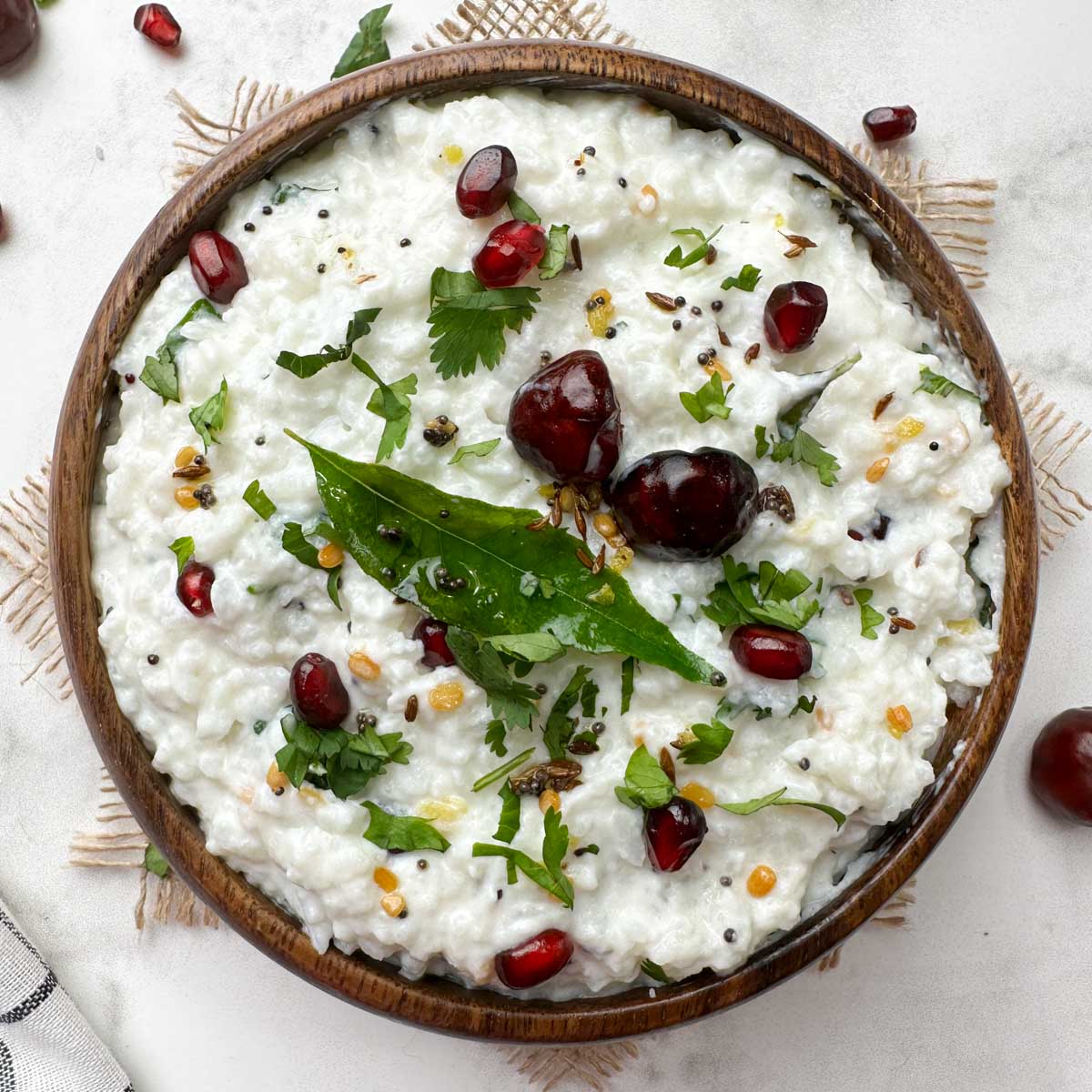
Good choices include curd rice, dal rice, vegetable khichdi, idli, dosa, upma, fruits, curd, buttermilk, boiled eggs, soft chapati with dal, and freshly cooked vegetables.
Avoid stale food, uncovered street food, cut fruits sold in open areas, reheated meat, unhygienic ice candies, and food kept outside for long hours. Food spoils faster in summer and can cause vomiting, diarrhea, and food poisoning.
Outdoor Play: What Parents Should Do
Children should play, but timing and hydration matter. Prefer outdoor play before 9 AM or after 5 PM. Avoid strenuous play between 11 AM and 4 PM, especially during heatwave warnings. UNICEF recommends avoiding outdoor activity during hot midday and afternoon hours and encouraging children to rest in shade and drink water frequently. (UNICEF)
Children should wear loose, light-colored cotton clothes, a cap or wide-brimmed hat, and comfortable footwear. For swimming or outdoor sports, use child-safe sunscreen on exposed areas and reapply as needed.
Never leave a child inside a parked car, even briefly. Car interiors can become dangerously hot within minutes.
Common Summer Health Problems in Children and How to Prevent Them
1. Dehydration
Dehydration is one of the most common summer problems. It can happen due to inadequate water intake, excessive sweating, fever, vomiting, or diarrhea.
Symptoms: thirst, dry mouth, tiredness, headache, dizziness, reduced urine, dark urine, sunken eyes, irritability, fast breathing, or lethargy.
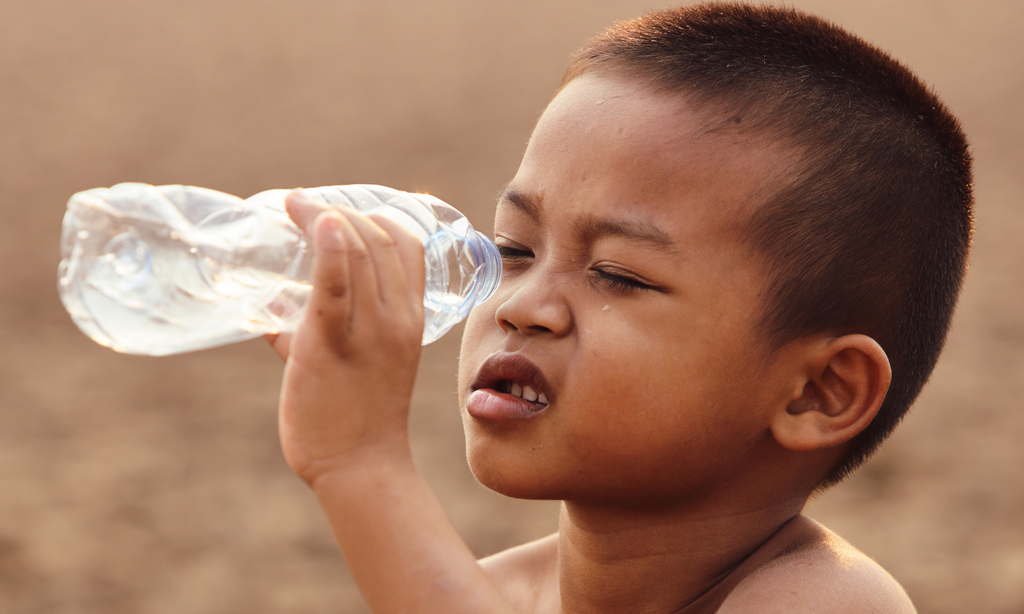
What parents should do: give frequent small sips of water or ORS if there is diarrhea/vomiting, keep the child in a cool place, offer light food, and monitor urine. Seek medical care if the child is drowsy, unable to drink, vomiting repeatedly, passing very little urine, or has blood in stool.
2. Heat cramps, heat exhaustion, and heatstroke
Heat cramps are painful muscle cramps after sweating. Heat exhaustion causes weakness, dizziness, headache, nausea, heavy sweating, and faintness. Heatstroke is a medical emergency.
CDC lists heatstroke warning symptoms such as confusion, altered mental status, loss of consciousness, seizures, very high body temperature, and hot dry skin or profuse sweating. Treatment delay can be fatal. (CDC)
What parents should do immediately: move the child to shade or a cool room, remove extra clothing, cool the body with wet cloths or sponging, give fluids only if the child is awake and able to drink, and seek urgent medical care for confusion, fainting, seizures, very high fever, or persistent vomiting.
3. Diarrhea and vomiting
Summer increases the risk of gastroenteritis because food and water contamination are more common. Children can dehydrate quickly.
What parents should do: continue breastfeeding, continue normal food in small quantities, give ORS after loose stools, avoid unnecessary antibiotics unless prescribed, and maintain hand hygiene. Seek medical care if there is blood in stool, persistent vomiting, high fever, severe abdominal pain, signs of dehydration, or diarrhea in a young infant.
4. Skin rashes and prickly heat
Prickly heat happens when sweat ducts get blocked. It is common on the neck, back, chest, underarms, and skin folds.
Care: keep the child cool, use loose cotton clothes, bathe with normal water, avoid heavy oils and thick creams, change sweaty clothes quickly, and keep skin folds dry. See a doctor if rash is painful, pus-filled, associated with fever, or spreading rapidly.
UNICEF advises loose clothing for children during heat because it helps prevent heat rashes and overheating. (UNICEF)
5. Asthma and allergic rhinitis flare-ups
In many Indian cities, summer dust, pollution, pollen, smoke, construction exposure, and sudden temperature changes from AC rooms to outdoor heat can trigger cough, wheeze, sneezing, and nasal blockage.
Care: continue prescribed inhalers or allergy medicines, avoid dust exposure, clean AC filters, avoid strong room fresheners and mosquito coil smoke, and do not stop controller inhalers without medical advice. Seek urgent care if the child has fast breathing, chest indrawing, difficulty speaking, bluish lips, or poor response to reliever inhaler.
6. Eczema flare-ups and fungal infections
Sweating can worsen eczema, itching, and fungal infections in skin folds, groin, feet, and underarms.
Care: bathe after heavy sweating, dry skin folds properly, use cotton clothes, avoid tight synthetic garments, and continue eczema moisturizers as advised. Do not use steroid-antifungal combination creams without a doctor’s prescription, as they can worsen fungal infections.
7. Nosebleeds
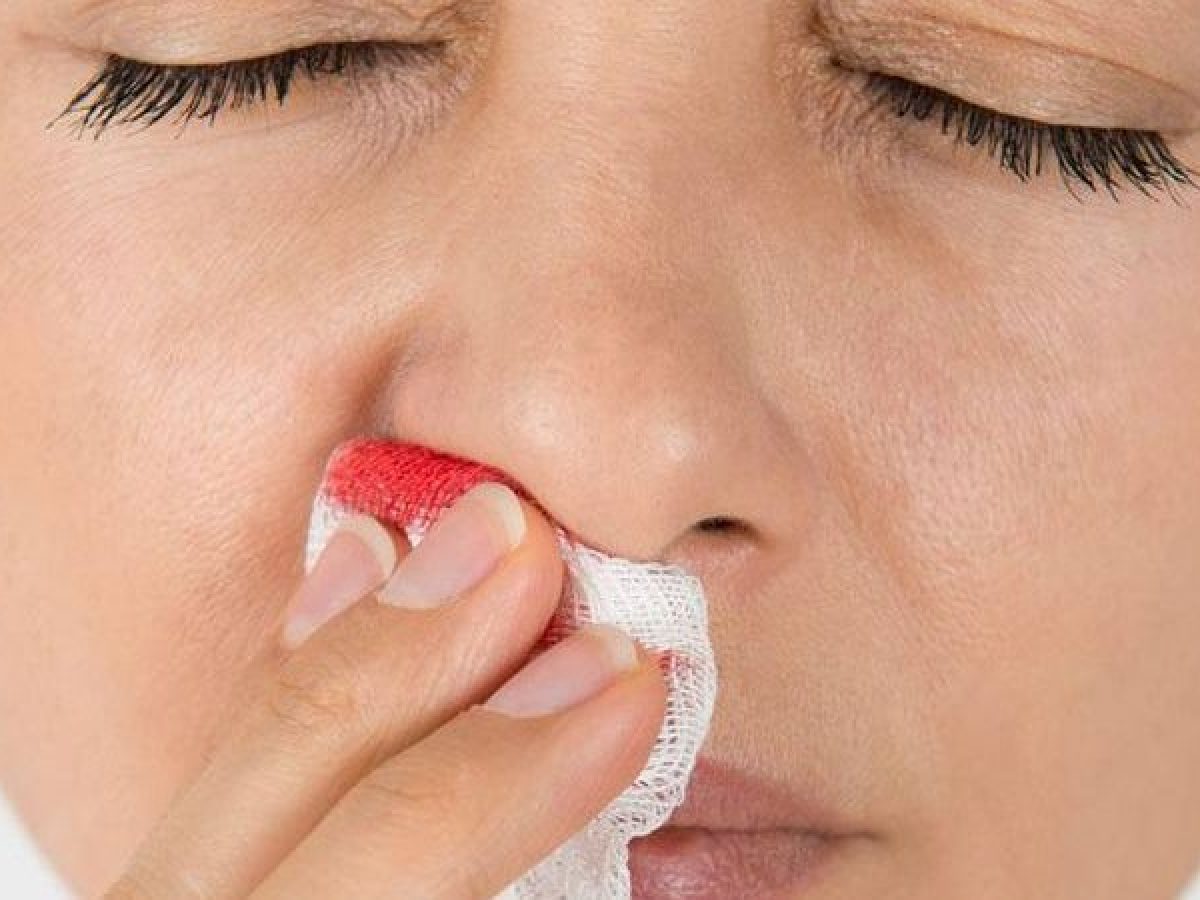
Dry hot air can trigger nosebleeds in children, especially those with allergic rhinitis or frequent nose picking.
What to do: make the child sit upright, lean slightly forward, pinch the soft part of the nose for 10 minutes, and avoid putting the head backward. Use saline nasal drops if advised. Consult a doctor if bleeding is recurrent, heavy, follows injury, or occurs with easy bruising.
8. Urinary tract infections and constipation
Low fluid intake can cause concentrated urine, burning urination, constipation, and sometimes urinary infections.
Care: encourage regular water intake, do not let children hold urine for long, include fruits and fiber, and watch for fever with burning urination, abdominal pain, vomiting, or foul-smelling urine.
9. Sunburn and eye irritation
Strong sunlight can cause sunburn, tanning, eye irritation, and headache. Use shade, hats, sunglasses if tolerated, and sunscreen for older children when outdoors. Avoid direct afternoon sun.
Summer Care for Babies
Babies need extra attention because they cannot ask for water or move away from heat. Keep babies in a cool, well-ventilated room. Dress them in light cotton clothes. Breastfeed more frequently. Avoid overdressing. Do not keep babies under direct fan blast for long, but maintain comfortable airflow.
Watch for reduced wet diapers, excessive sleepiness, poor feeding, fever, fast breathing, or unusual irritability. These signs need medical attention.
Summer Travel Tips for Parents
Carry safe drinking water, ORS packets, a thermometer, prescribed medicines, sunscreen, cap, extra cotton clothes, and simple snacks. During road travel, never leave children inside a parked vehicle. Avoid buying cut fruits, open juices, and unhygienic ice creams from roadside vendors.
For long travel, plan breaks, encourage urination, and avoid heavy fried meals before travel.
What Parents Should Do Daily in Summer
Offer water regularly. Send a water bottle to school. Use cotton clothes. Keep playtime in cooler hours. Give fresh home food. Encourage handwashing. Keep ORS packets at home. Watch urine color and frequency. Keep children indoors or shaded during heatwave alerts. Follow local weather updates from reliable sources such as the India Meteorological Department, which provides weather observations and warnings for India. (India Meteorological Department)
What Parents Should Not Do
Do not force children to play outdoors in peak heat. Do not rely on soft drinks or packaged juices for hydration. Do not give antibiotics for diarrhea without prescription. Do not use leftover ORS for too long. Do not ignore reduced urine, lethargy, repeated vomiting, or confusion. Do not cover babies in thick clothes just because they are small. Do not apply strong steroid creams for summer rashes without medical advice.
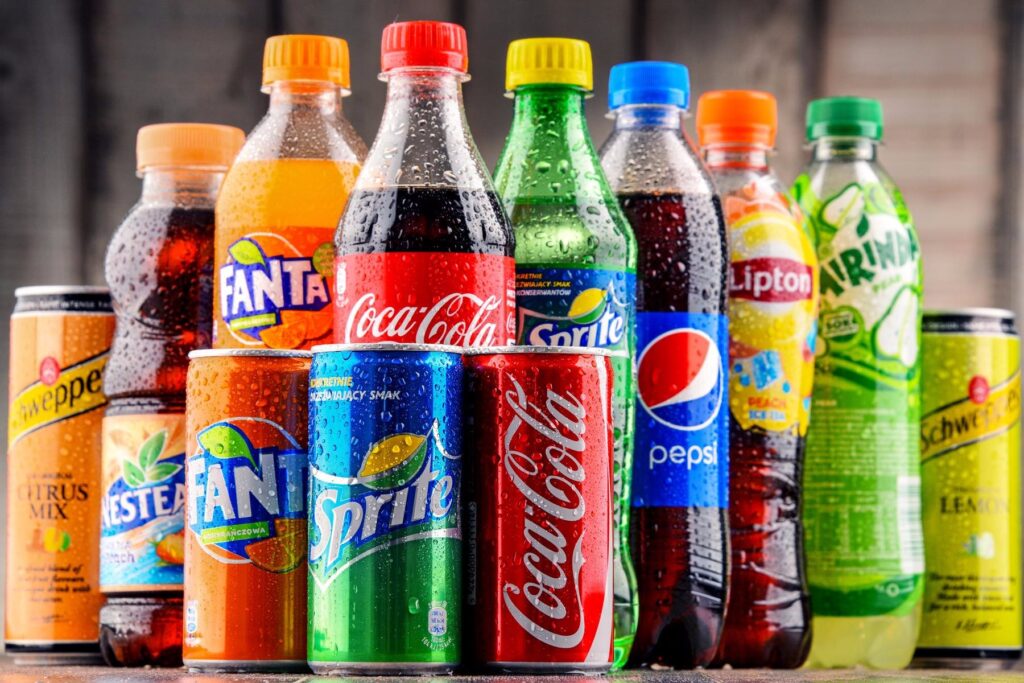
AVOID SOFT DRINKS LIKE THESE
When to See a Pediatrician Immediately
Take your child to a doctor urgently if there is repeated vomiting, inability to drink, very little urine, drowsiness, confusion, fainting, seizures, very high fever, fast breathing, blood in stool, severe abdominal pain, signs of dehydration, heatstroke symptoms, or worsening asthma.
In summer, early treatment prevents complications.
Conclusion
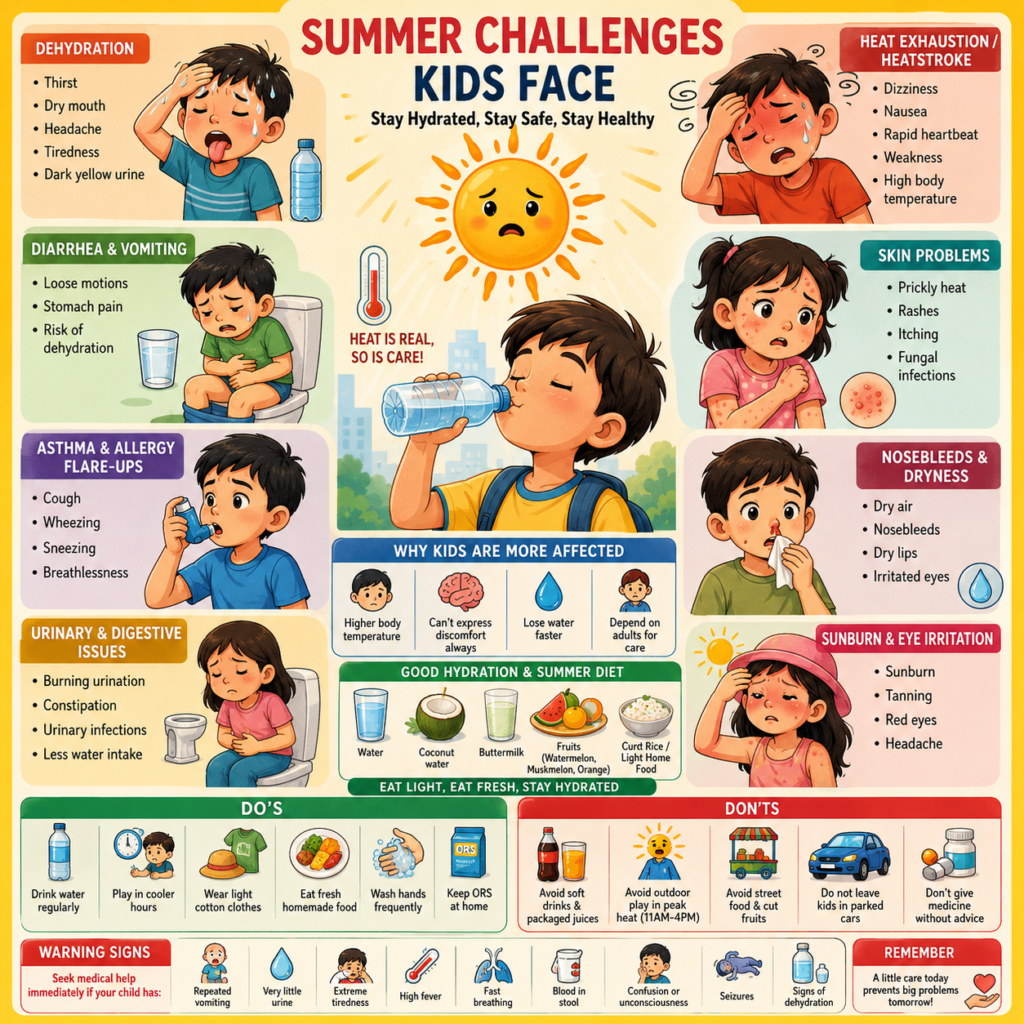
Summer care is not about restricting children completely. It is about safe hydration, sensible playtime, fresh food, light clothing, skin care, and early recognition of danger signs. Parents should remember that children may not ask for water until they are already dehydrated. So, planned hydration and heat protection are important.
As a pediatrician, my advice is simple: water first, shade during peak heat, fresh food, cotton clothing, ORS when needed, and never ignore warning signs.
FAQs on Summer Care for Children in India
1. How do I know if my child is dehydrated?
Reduced urine, dark yellow urine, dry mouth, tiredness, dizziness, sunken eyes, irritability, and excessive thirst suggest dehydration. In babies, fewer wet diapers and poor feeding are important warning signs.
2. Can I give ORS daily in summer?
ORS is mainly for dehydration due to diarrhea, vomiting, or significant fluid loss. For routine summer hydration, water and homemade fluids are enough. Do not replace daily water with ORS unless advised.
3. Is coconut water good for children in summer?
Yes, coconut water can be given to older infants and children as part of fluids, provided it is fresh and hygienic. It should not replace ORS during diarrhea-related dehydration.
4. Which is better: packaged juice or fresh fruit?
Fresh fruit is better. Packaged juices often contain excess sugar and less fiber. Water-rich fruits like watermelon, muskmelon, orange, and cucumber are good summer options.
5. What is the best time for children to play outside in summer?
Early morning and evening are safer. Avoid outdoor sports and intense play between 11 AM and 4 PM, especially during heatwaves.
6. Can AC cause cough and cold in children?
AC itself does not cause infection, but very cold air, dirty filters, dryness, and sudden temperature changes can trigger cough, allergy, or asthma symptoms in sensitive children. Keep AC temperature comfortable and clean filters regularly.
7. What should I do if my child has heat exhaustion?
Move the child to a cool place, remove extra clothing, sponge with cool water, and give small sips of water or ORS if the child is alert. Seek medical care if symptoms persist or if there is confusion, fainting, repeated vomiting, or high fever.
8. How can I prevent prickly heat?
Use loose cotton clothes, keep the child cool, bathe after sweating, avoid thick oils and creams, and keep skin folds dry.
9. Should children avoid curd in summer?
No. Curd is generally useful in summer if fresh and hygienic. It provides fluids, protein, and probiotics. Avoid it only if your child has a specific intolerance or your doctor has advised restriction.
10. When is diarrhea dangerous in summer?
Diarrhea is dangerous if there is dehydration, blood in stool, repeated vomiting, high fever, severe abdominal pain, poor feeding, lethargy, or diarrhea in a young infant. Consult a pediatrician early.
