Understanding Scoliosis: A Complete Guide to Spinal Curvature

What is Scoliosis?
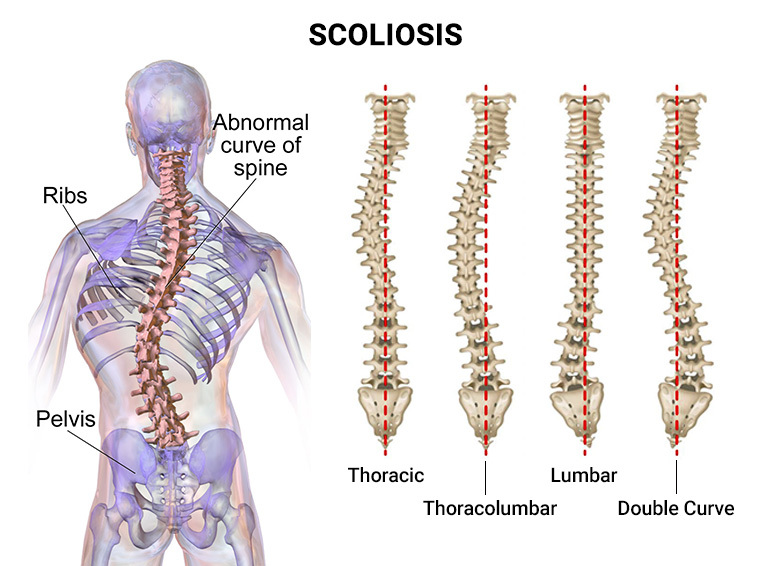
Scoliosis is a three-dimensional deformity of the spine characterized by a sideways curvature measuring 10 degrees or more on an X-ray using the Cobb angle method, often accompanied by rotation of the vertebrae. Unlike poor posture, scoliosis involves structural changes within the spine and may progress during periods of rapid growth.

How is Scoliosis Diagnosed?
Clinical Examination 
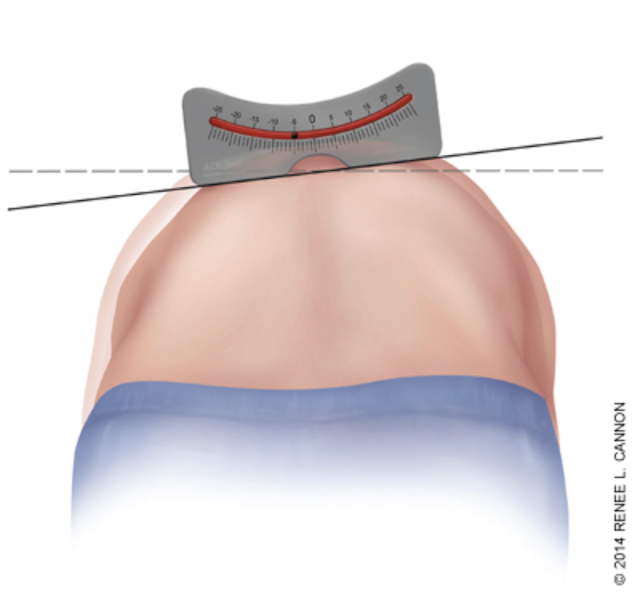
The first step in diagnosing scoliosis is a detailed physical examination. One of the most commonly used screening tests is the Adam’s Forward Bend Test, where the patient bends forward at the waist while the examiner looks for asymmetry of the ribs, shoulders, or lower back.
Signs that may suggest scoliosis include:
- Uneven shoulders
- One shoulder blade more prominent than the other
- Uneven waistline
- Rib hump while bending forward
- Apparent difference in hip height
- Trunk shift to one side

Radiological Evaluation
Standing full-length spine X-rays remain the gold standard for diagnosis.
The severity of scoliosis is measured using the Cobb angle:
- Mild scoliosis: 10°–25°
- Moderate scoliosis: 25°–45°
- Severe scoliosis: >45°–50°
The Cobb angle also helps determine the most appropriate treatment strategy.

Which Scoliosis Curves Are Likely to Progress?
Not all scoliosis curves worsen over time. Several factors help doctors estimate the risk of progression:
Important Predictors of Progression
- Larger initial Cobb angle
- Younger age at diagnosis
- Significant growth remaining
- Low skeletal maturity (low Risser grade)
- Female gender
- Rapid growth during adolescence
What is the Risser Grade?
The Risser grading system assesses skeletal maturity by evaluating ossification of the iliac crest on pelvic X-rays.
- Risser 0–1: Significant growth remaining
- Risser 2–3: Moderate growth remaining
- Risser 4–5: Near or complete skeletal maturity
Patients with larger curves and substantial remaining growth have the highest risk of progression and require closer monitoring.

Treatment of Scoliosis
Treatment depends on:
- Cobb angle
- Skeletal maturity
- Curve progression
- Symptoms
- Cosmetic concerns
- Overall spinal balance
Observation
Observation is appropriate for:
- Curves less than 20°–25°
- Skeletally mature patients with stable curves
- Patients without documented progression
Regular follow-up examinations and standing X-rays are usually recommended every 6–12 months during growth.
Physiotherapy and Scoliosis-Specific Exercises
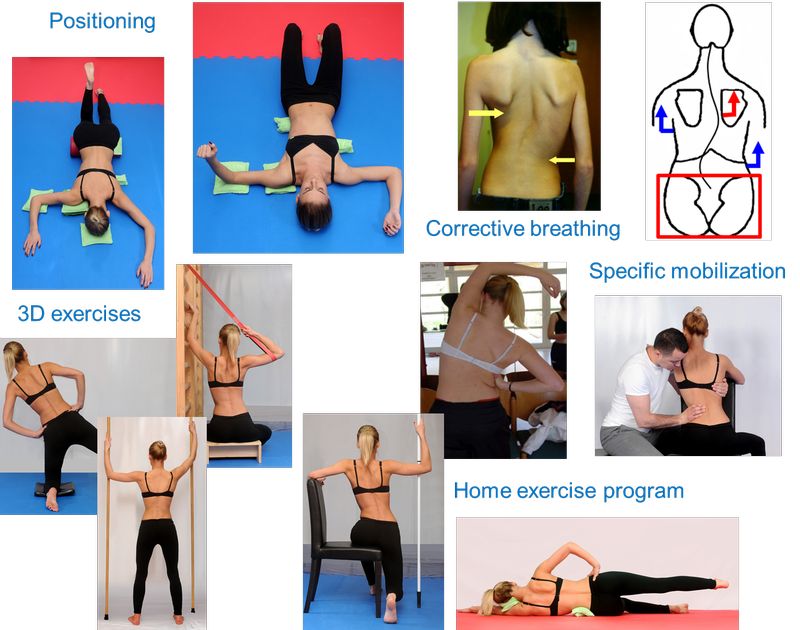
Modern scoliosis management increasingly incorporates specialized physiotherapy programs.
Schroth Method
The Schroth Method is a scoliosis-specific exercise program designed to:
- Improve posture
- Enhance spinal alignment
- Strengthen trunk muscles
- Improve breathing mechanics
- Reduce curve progression risk in selected patients
While exercises alone cannot completely correct structural scoliosis, they may improve function, appearance, and quality of life when combined with observation or bracing.
Bracing
Bracing is recommended for selected growing children and adolescents.

Typical Indications for Bracing
- Cobb angle between 25° and 40°
- Skeletally immature patient (Risser 0–2)
- Documented curve progression
The primary goal of bracing is not to straighten the spine permanently but to prevent further progression during growth.
Several studies have shown that good brace compliance significantly reduces the likelihood of requiring surgery.
Surgical Treatment

Surgery may be recommended when:
- Curves exceed 45°–50°
- Progressive deformity despite bracing
- Significant cosmetic deformity
- Trunk imbalance
- Pain or functional limitations in selected cases
Posterior Spinal Fusion
Posterior spinal fusion with pedicle screw instrumentation remains the most commonly performed operation for adolescent idiopathic scoliosis. The procedure aims to:
- Correct spinal deformity
- Restore balance
- Prevent future progression
- Improve cosmetic appearance
Modern techniques allow substantial correction while maintaining excellent safety profiles.

Emerging Surgical Techniques
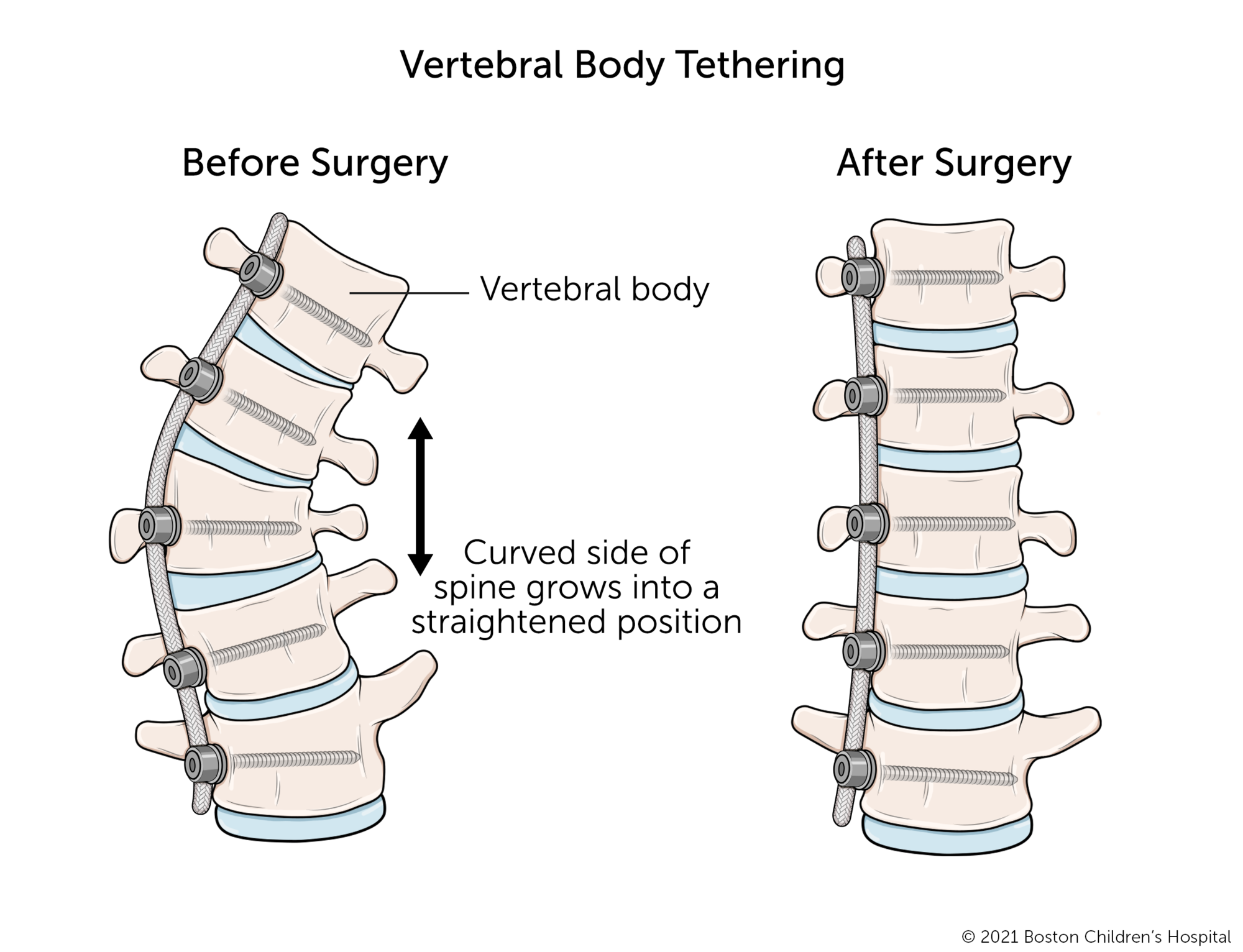
Vertebral Body Tethering (VBT)
Vertebral Body Tethering is a newer growth-modulation technique used in carefully selected growing adolescents.
Potential advantages include:
- Motion preservation
- Continued spinal growth
- Avoidance of fusion
However, VBT is not suitable for all patients and requires careful evaluation by an experienced deformity surgeon.
Growth-Friendly Techniques
For children with Early-Onset Scoliosis, growth-friendly procedures may be considered, including:
- Growing rods
- Magnetically controlled growing rods
- Guided growth systems
These techniques aim to control deformity while allowing continued growth of the spine and thorax.

Can Children with Scoliosis Participate in Sports?
In most cases, yes.
Children and adolescents with scoliosis are encouraged to remain physically active.
Activities such as:
- Swimming
- Walking
- Cycling
- Running
- Yoga
- Recreational sports
are generally safe and beneficial. Sports do not cause scoliosis and usually do not worsen existing curves.
Frequently Asked Questions
Does carrying a heavy school bag cause scoliosis?
No. Heavy school bags may cause temporary back discomfort but do not cause structural scoliosis.
Can poor posture cause scoliosis?
No. Poor posture can mimic scoliosis but does not create the structural spinal curvature seen in true scoliosis.
Can scoliosis be cured without surgery?
Mild scoliosis often requires only observation. Bracing and scoliosis-specific exercises may help prevent progression in growing children. However, significant structural curves generally do not completely disappear without surgical correction.
Will scoliosis affect pregnancy?
Most women with scoliosis have normal pregnancies and deliveries. Mild-to-moderate scoliosis typically does not interfere with childbirth.
Does scoliosis always worsen with age?
No. Many mild curves remain stable throughout life. The likelihood of progression depends on curve magnitude and skeletal maturity.
Key Take-Home Message
Early detection remains the cornerstone of successful scoliosis management. Modern treatment decisions are based not only on the curve magnitude but also on growth potential, risk of progression, and overall spinal balance. With timely diagnosis, appropriate observation, physiotherapy, bracing, or surgery when indicated, most individuals with scoliosis can lead active, healthy, and productive lives.
Dr.Sudheer Kumar Pothu
OrthoSpine Surgeon