
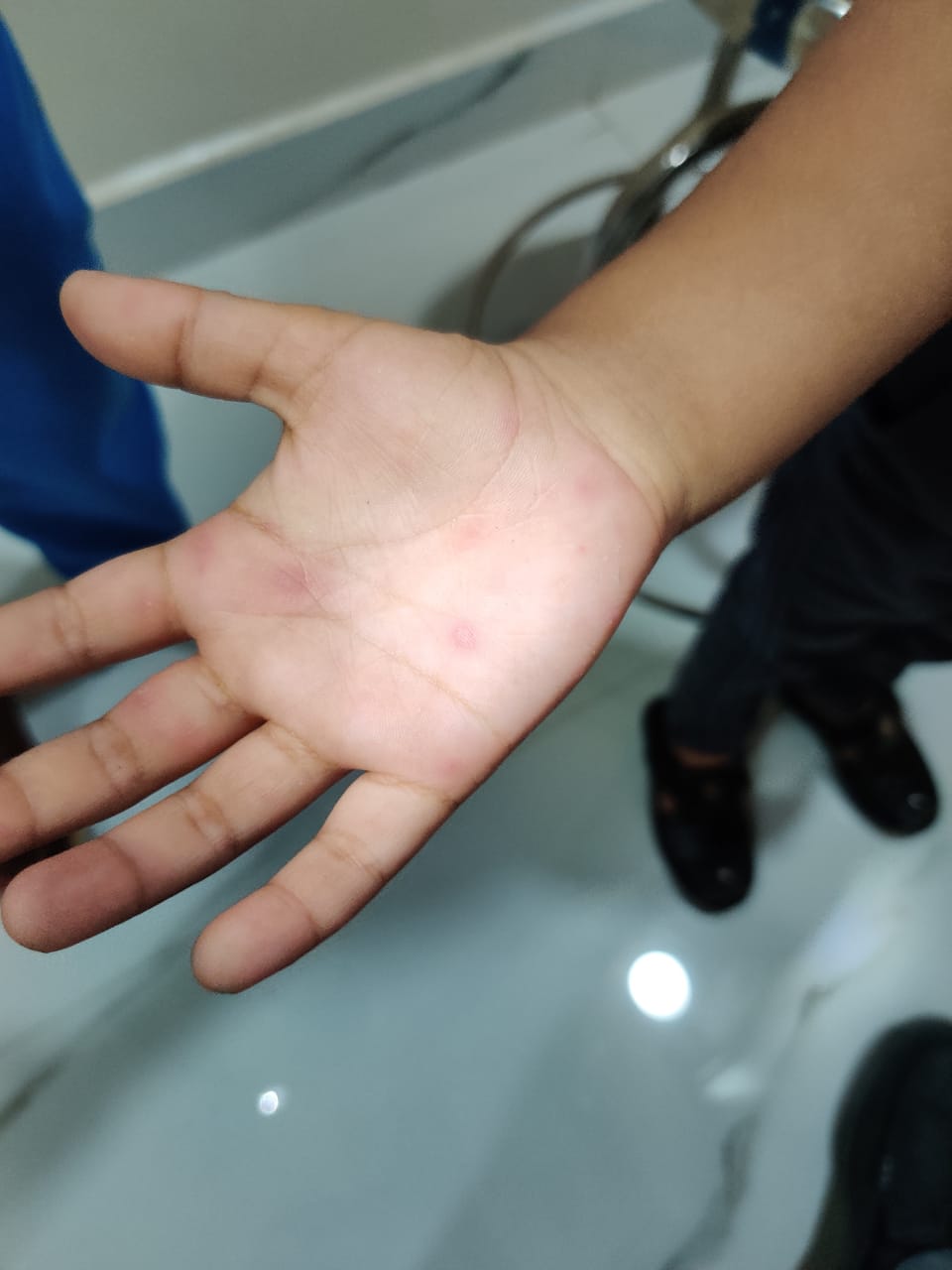
Is it “The Rash”?
Hand, Foot, and Mouth Disease (HFMD)
A Parent’s Guide to Hand, Foot, and Mouth Disease (HFMD)
As a parent, few things are as stressful as your child waking up with a mysterious fever and a sudden breakout of spots. If you’re seeing blisters on your toddler’s palms or they’re refusing to eat because their throat “hurts too much,” you might be dealing with Hand, Foot, and Mouth Disease (HFMD).
While the name sounds a bit intense (and is often confused with the unrelated “Hoof and Mouth” disease found in livestock), HFMD is a common viral illness that most children face before age 5. As a pediatrician, I see spikes of this every year, particularly during the warmer months and early fall.
Here is your guide to managing the “spots” with confidence.
What Exactly is HFMD?
HFMD is typically caused by the Coxsackievirus A16 or Enterovirus 71. It is highly contagious and spreads rapidly in daycare centers and schools through respiratory droplets, close contact, or shared toys.
The Telltale Symptoms
Symptoms usually appear in stages rather than all at once:
- The “Pre-Rash” Phase: It starts with a low-grade fever, sore throat, and a general “blah” feeling (malaise). Your child might be fussier than usual or lose their appetite.
- The Mouth Sores: A day or two later, painful sores (ulcers) may appear in the back of the mouth or on the tongue. This is often why children stop drinking—it simply hurts to swallow.
- The Signature Rash: Flat red spots or small blisters appear on the palms of the hands, soles of the feet, and sometimes the diaper area. Unlike many other rashes, these are usually not itchy, but they can be tender.
Home Care: Comforting Your Little One
Because HFMD is viral, antibiotics won’t help. The goal is “supportive care”—keeping your child hydrated and comfortable while the virus runs its course (usually 7 to 10 days).
- Pain Management: Use children’s acetaminophen (Tylenol) or ibuprofen (Advil/Motrin) to manage fever and mouth pain. Note: Never give aspirin to children due to the risk of Reye’s Syndrome.
- Hydration is Key: Cold foods are your best friend. Ice pops, milkshakes, and cold water can numb the throat and provide much-needed fluids.
- Foods to Avoid: Steer clear of salty, spicy, or acidic foods (like orange juice or tomato sauce), as these can “sting” the mouth sores.
When to Call the Pediatrician
Most cases of HFMD are mild and resolve on their own, but your intuition is your best tool. Reach out to us if:
- Signs of Dehydration: Your child has fewer than 6 wet diapers in 24 hours, no tears when crying, or a dry, sticky mouth.
- Persistent Fever: The fever lasts longer than 3 days.
- Lethargy: Your child is unusually weak or difficult to wake up.
- No Improvement: The rash or mouth sores don’t show signs of healing after 10 days.
Prevention: Stopping the Spread
The virus can live on surfaces (like toys or doorknobs) for days. To keep the rest of the household healthy:
- The Gold Standard: Wash hands thoroughly, especially after every diaper change.
- Disinfect: Clean shared toys and high-touch surfaces regularly.
- Stay Home: Keep your child home from daycare or school until the fever is gone and all open blisters have completely dried up.
We’re Here to Help
If you’re worried about a new rash or need a partner in your child’s health journey, Cygnet Superspeciality Clinics is here for you. We specialize in compassionate, evidence-based care to help your little ones get back to being kids.
Schedule an appointment today to ensure your child is on the right track to recovery.
