
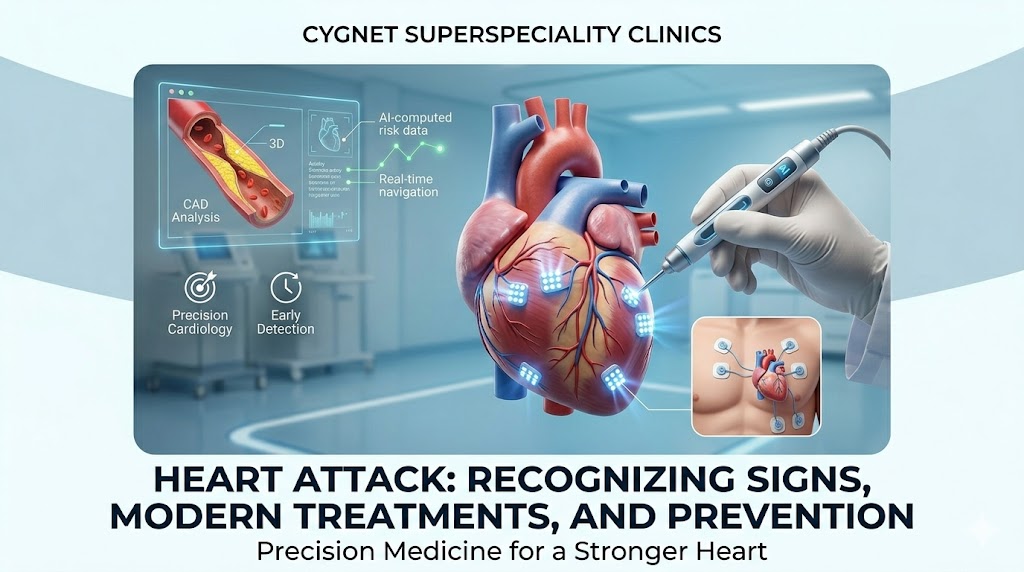
Heart Attack: Recognizing Signs, Modern Treatments, and Prevention
Heart disease remains a global health challenge, but the way we predict and treat heart attacks has changed. Today, we focus on precision cardiology—identifying risks before they become emergencies. Understanding the “classic” signs and the “subtle” symptoms could save your life or the life of a loved one.
What Happens During a Heart Attack?
A heart attack occurs when the blood flow that brings oxygen to the heart muscle is severely reduced or cut off completely. This happens because the coronary arteries that supply the heart with blood can slowly become narrow from a buildup of fat, cholesterol, and other substances (plaque).
Medical Fact: In 2026, new research published in Nature Medicine suggests that targeting the immune system’s inflammation response is a “game-changer” in preventing repeat heart attacks.
Recognizing the Signs: Men vs. Women
Symptoms aren’t always the “Hollywood Heart Attack” (clutching the chest and collapsing). Many heart attacks start slowly with mild pain or discomfort.
Common Symptoms:
- Chest Discomfort: Pressure, squeezing, fullness, or pain in the center of the chest that lasts more than a few minutes.
- Upper Body Pain: Discomfort in one or both arms, the back, neck, jaw, or stomach.
- Shortness of Breath: This often occurs before or along with chest discomfort.
Why Women’s Symptoms Are Different:
Women are more likely than men to experience “atypical” symptoms. If you feel unexplained extreme fatigue, nausea/vomiting, or lightheadedness, do not ignore it. These are frequently the only signs women experience before a cardiac event.
2026 Breakthroughs in Heart Care
The landscape of cardiology is evolving rapidly. Here are the latest tools we use to protect your heart:
- AI-Enhanced Diagnostics: We now use AI to analyze ECGs and CT scans, spotting microscopic plaque buildup that the human eye might miss.
- Inflammation-Targeting Therapies: New treatments like low-dose aldesleukin are being used to reduce blood vessel inflammation, significantly lowering the risk of a second attack.
- Small Interfering RNA (siRNA): Advanced therapies like olpasiran can now lower “bad” cholesterol (Lp(a)) by over 95% with just a few doses a year.
Prevention: The “Fantastic Four” Guidelines
To keep your heart healthy, modern guidelines emphasize four pillars of care:
- Lipid Management: Keeping LDL (bad) cholesterol below 70 mg/dL through diet or next-gen medications like PCSK9 inhibitors.
- Blood Pressure Control: Maintaining an optimal level of less than 120/80 mm Hg.
- Glucose Regulation: Managing blood sugar to prevent vascular damage.
- Movement as Medicine: At least 150 minutes per week of moderate-intensity activity.
Recovery: Life After a Heart Attack
Recovery is a journey, not a destination. Successful long-term health depends on Cardiac Rehabilitation.
- Pace Yourself: Start with light household chores and short walks.
- Mental Health: Anxiety and depression are common post-attack. Join a support group or talk to a counselor.
- Medication Adherence: Never skip your prescribed blood thinners or statins without consulting your cardiologist.
Conclusion: Don’t Wait for a Symptom
The best heart attack is the one that never happens. At Cygnet Superspeciality Clinics, we recommend a comprehensive cardiac screening for everyone over the age of 40—or earlier if you have a family history of heart disease.
