
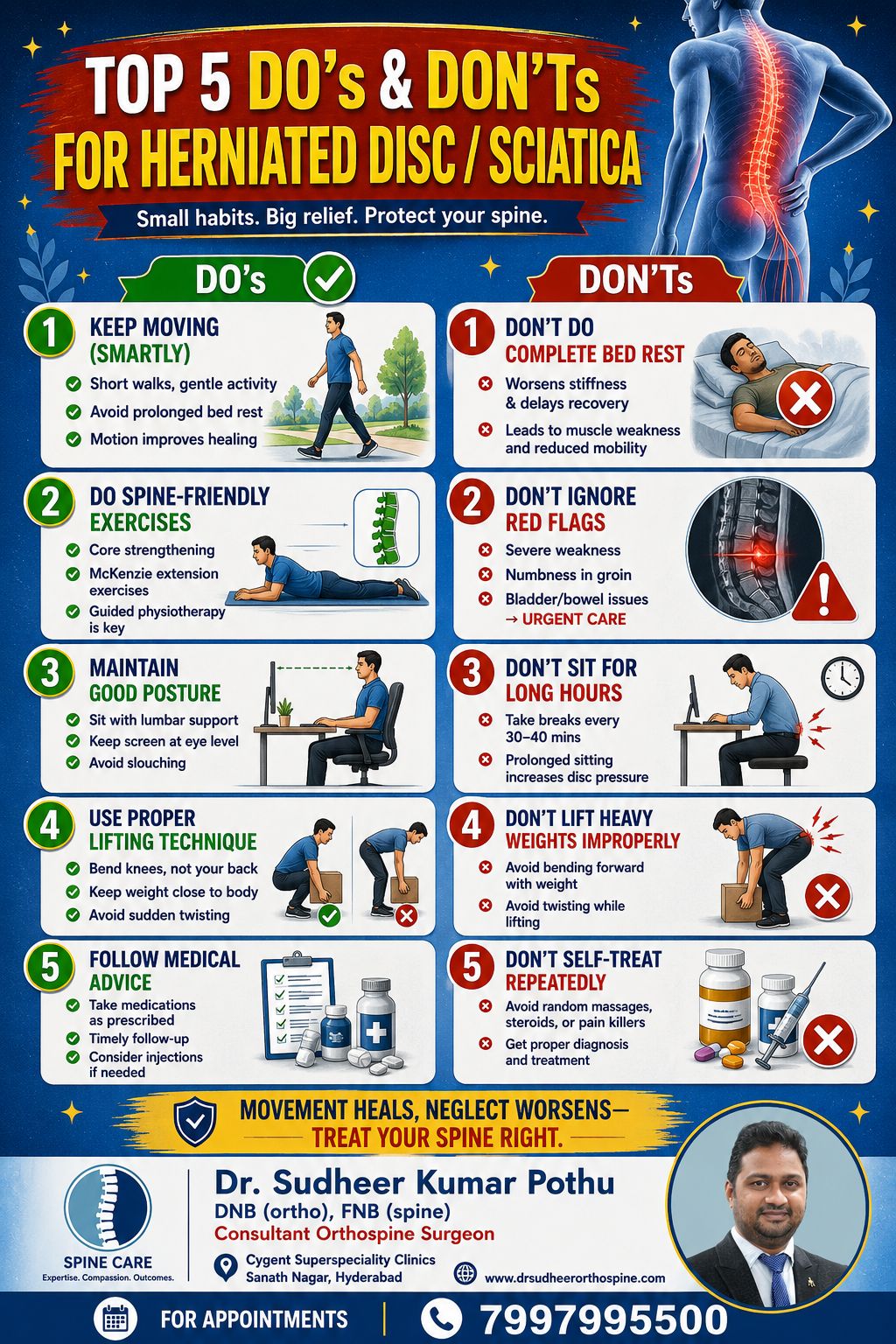
DO’s & DONT’S FOR A HERINATED DISC/SCIATICA
Do’s & Don’ts for Lumbar Disc Prolapse Patients
A Complete Guide to Daily Care, Work, Travel & Recovery
A lumbar disc prolapse (commonly called a slipped disc or herniated disc) can cause significant back pain, leg pain, numbness, tingling, and difficulty with daily activities. The good news is that most patients improve with proper care, lifestyle modifications, physiotherapy, and posture correction.
Understanding what to do — and what to avoid — plays a major role in recovery and prevention of further injury.
What is a Lumbar Disc Prolapse?
The spine is made up of bones (vertebrae) separated by soft discs that act as shock absorbers. When one of these discs bulges or slips out, it can press on nearby nerves and cause symptoms such as:
-
Low back pain
-
Pain radiating to the leg (sciatica)
-
Numbness or tingling
-
Muscle weakness
-
Difficulty sitting or walking
Proper lifestyle habits can help reduce pain, support healing, and improve long-term spinal health.
DO’S for Lumbar Disc Prolapse Patients
1. Follow a Regular Exercise Program
Gentle exercises help strengthen the muscles supporting the spine, improve flexibility, and reduce pressure on the affected disc.
Beneficial exercises may include:
-
Walking
-
Core strengthening exercises
-
Hamstring stretching
-
Pelvic tilts
-
Physiotherapy-guided back exercises
Always perform exercises under the guidance of a healthcare professional or physiotherapist.

https://drive.google.com/file/d/16i9bQ6lvNrg2HEpo2IqKnF327cfWXz2v/view?usp=drivesdk
2. Maintain Good Posture
Poor posture places extra stress on the spine and can worsen symptoms.
While Sitting: 
-
Use a chair with good lumbar support
-
Keep feet flat on the floor
-
Avoid slouching
-
Keep knees at hip level
While Standing:
-
Stand upright with balanced weight distribution
-
Avoid leaning to one side
-
https://knowyoursspine.blogspot.com/2023/02/ideal-sitting-ergonomics.html
3. Use Proper Lifting Techniques
Incorrect lifting is one of the most common causes of worsening disc problems.
Safe lifting tips: 
-
Bend at the knees, not the waist
-
Keep the back straight
-
Hold objects close to the body
-
Avoid twisting while lifting
https://youtube.com/shorts/w0-bquOCmUM?si=RnfeVor3SJ2AZ6tK
4. Take Frequent Breaks 
Avoid staying in one position for long periods.
-
Stand up and stretch every 30–45 minutes
-
Walk around periodically
-
Change posture frequently
This is especially important for desk workers and drivers.
https://youtu.be/ZLq1SbBQRWY?si=kaISaqkXmi102iy6
5. Apply Heat or Cold Therapy
Cold Therapy:
Helpful during acute pain or inflammation.

Heat Therapy:
Useful for muscle stiffness and spasms.
Options include:
-
Heating pad
-
Warm shower
-
Ice packs
-
Warm towel compress
6. Sleep in a Spine-Friendly Position 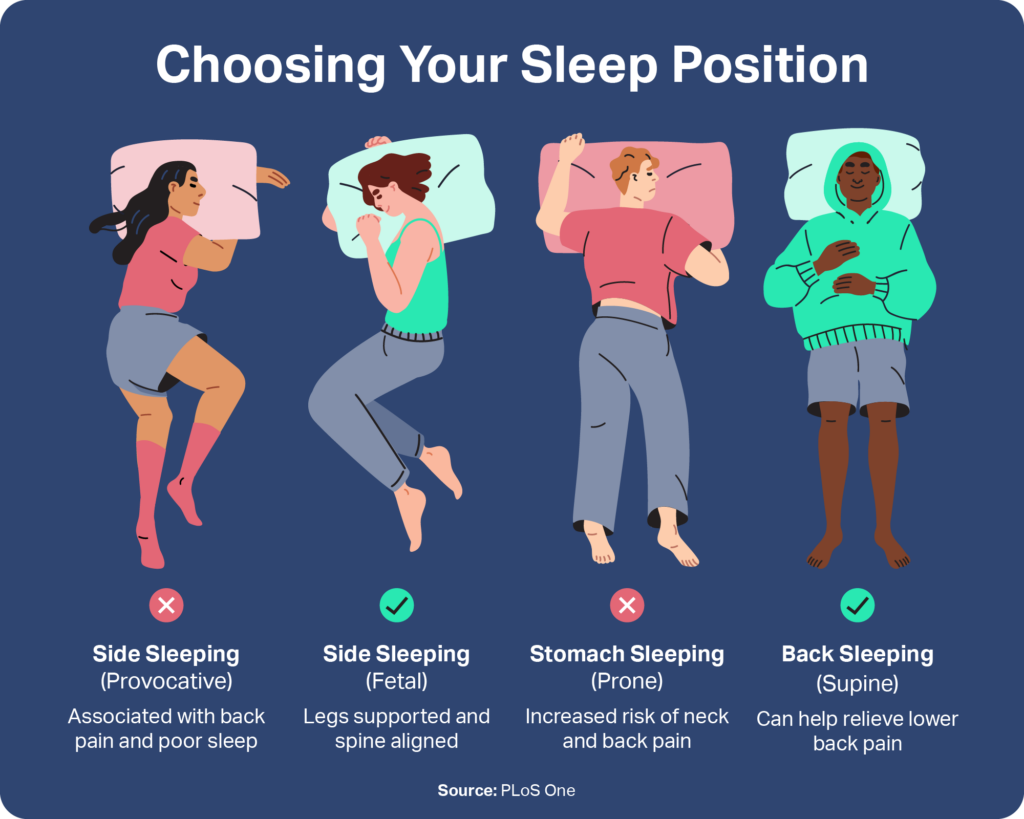
Proper sleeping posture reduces strain on the lower back.
Recommended positions:
-
On your back with a pillow under the knees
-
On your side with a pillow between the knees
Avoid sleeping on the stomach.
7. Maintain a Healthy Weight 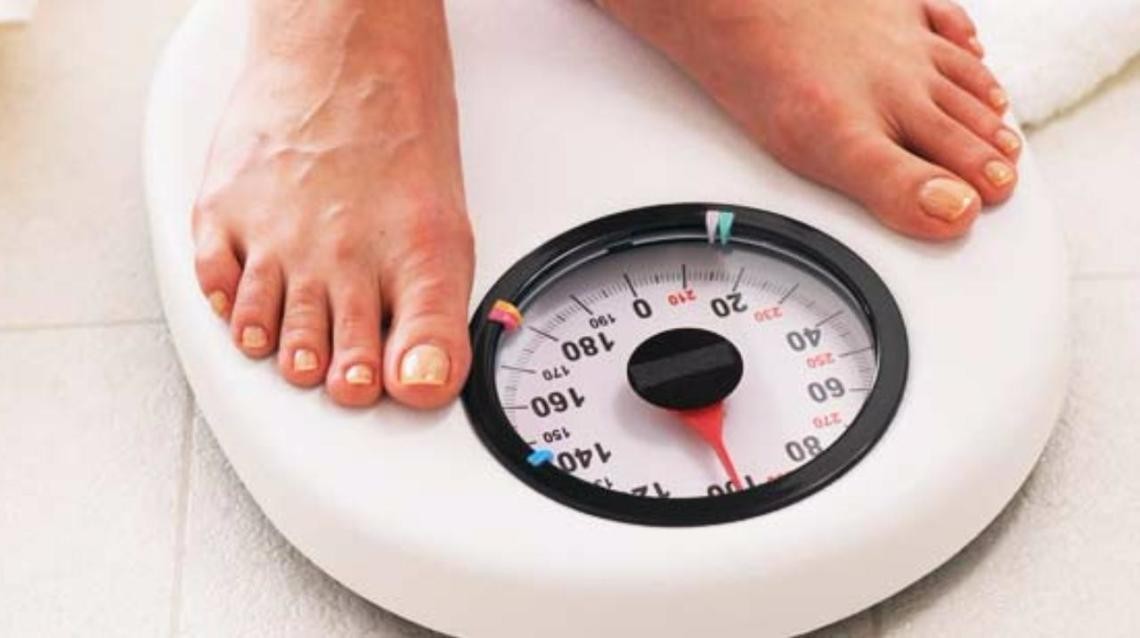
Excess body weight increases stress on the lumbar spine and discs.
A balanced diet and regular physical activity help support recovery.
8. Follow Medical Advice 
-
Take medications only as prescribed
-
Attend physiotherapy sessions regularly
-
Follow exercise and posture instructions carefully
DON’TS for Lumbar Disc Prolapse Patients
1. Avoid Heavy Lifting
Do not lift: 
-
Heavy luggage
-
Buckets filled with water
-
Gas cylinders
-
Heavy gym weights
Heavy lifting can worsen disc pressure and nerve compression.
2. Avoid Prolonged Sitting or Standing
Remaining in one position for too long increases spinal stress.
Avoid:
-
Long uninterrupted desk work
-
Long-distance driving without breaks
-
Standing continuously for extended periods
3. Avoid High-Impact Activities 
High-impact movements can aggravate symptoms.
Activities to avoid during recovery:
-
Running
-
Jumping
-
Contact sports
-
Heavy gym workouts
4. Avoid Sudden Twisting Movements 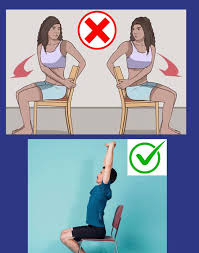
Twisting motions place additional pressure on spinal discs.
Be careful while:
-
Turning suddenly
-
Getting out of bed
-
Lifting objects from the side

5. Avoid Smoking
Smoking reduces blood supply to spinal discs and slows healing.
6. Avoid Sleeping on Your Stomach
This position increases strain on the lower back and may worsen pain.
Travel Tips for Disc Prolapse Patients
Travelling can sometimes aggravate back symptoms. Proper precautions can make travel safer and more comfortable.
Choose Comfortable Transportation
Whenever possible:
-
Use seats with proper back support
-
Use a lumbar support pillow
-
Avoid excessively bumpy rides
Pack Light
Avoid carrying heavy bags or luggage.
Better options:
-
Lightweight suitcases with wheels
-
Backpacks with padded straps
Take Frequent Breaks
During Car Travel:
-
Stop every 45–60 minutes
-
Stretch and walk briefly
During Flights:
-
Stand and walk periodically
-
Avoid sitting continuously for long hours
Two-Wheeler Riding: Why It Should Be Avoided
Two-wheelers can worsen lumbar disc problems due to:
-
Constant vibrations
-
Jerks from uneven roads
-
Sudden braking movements
During active pain or recovery phases, avoiding two-wheeler travel is strongly recommended.
Always consult your doctor before resuming long rides.

Workplace Tips for Disc Prolapse Patients
Use Ergonomic Equipment
-
Use a chair with lumbar support
-
Keep the computer screen at eye level
-
Maintain proper desk height
Practice Good Sitting Habits
-
Avoid slouching
-
Keep shoulders relaxed
-
Sit with hips supported
Take Movement Breaks
Stand, stretch, or walk every 30–45 minutes.
Avoid Awkward Movements
-
Avoid repeated bending
-
Avoid twisting while seated
-
Keep frequently used items within easy reach
Ask for Help When Needed
Do not hesitate to ask for assistance with physically demanding tasks or heavy lifting.
Warning Signs: When to Seek Immediate Medical Attention
Consult a doctor urgently if you experience:
-
Severe leg weakness
-
Loss of bladder or bowel control
-
Foot drop
-
Numbness around the groin area
-
Rapid worsening of symptoms
These may indicate serious nerve compression requiring urgent evaluation.
Final Thoughts
Most lumbar disc prolapse patients recover successfully with:
-
Proper posture
-
Physiotherapy
-
Lifestyle modifications
-
Safe exercises
-
Activity adjustments
Consistency and patience are key to recovery.
If you are experiencing persistent back pain or symptoms of disc prolapse, consult a qualified healthcare professional for proper evaluation and treatment.
Need Expert Guidance?
If you are suffering from back pain, sciatica, or lumbar disc prolapse, schedule a consultation with Dr.Sudheer Kumar Pothu, spine surgeon for a personalized treatment plan.
